
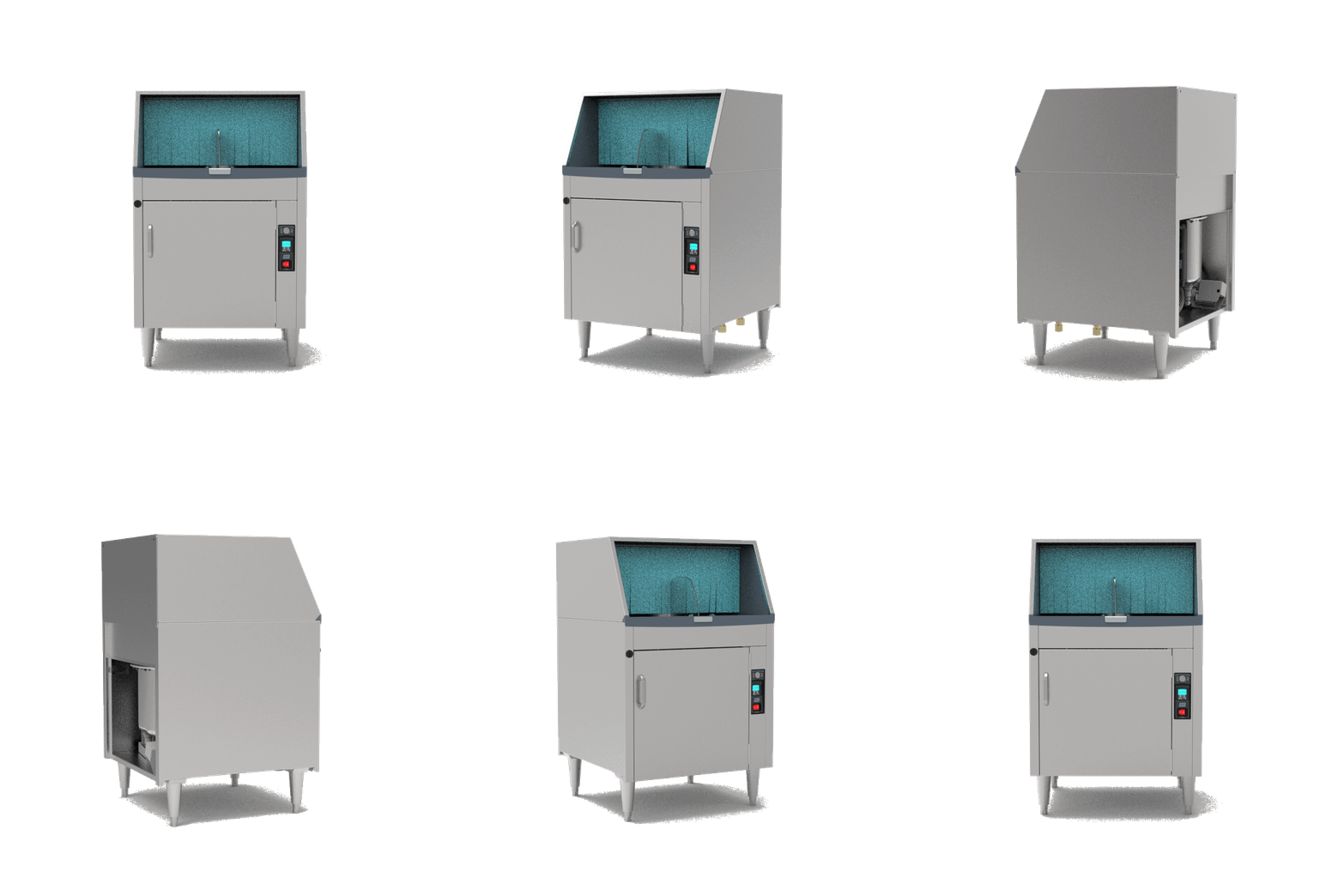
At Champion Moyer Diebel, we know commercial warewashing performance depends on more than the dishwasher alone. Water temperature, chemical concentration, maintenance practices, and incoming water quality all affect cleaning results and equipment reliability. The following best practices for dishwasher water quality apply to any operation and highlight when a water softener for commercial dishwasher use can make a measurable difference.
One of the most overlooked factors is water hardness. Implementing a commercial dishwasher water softener, either integrated with the machine or installed as a dedicated unit, is a cornerstone of best practices for dishwasher water quality.
When water contains elevated levels of calcium and magnesium, it can cause scale buildup inside a commercial dishwasher and reduce the effectiveness of chemicals. If you are evaluating the best water softener for commercial dishwashing or considering a dishwasher with built-in softening, start by understanding your incoming water quality.
What is a Water Softener for a Commercial Dishwasher?
A water softener for commercial dishwasher systems reduces hardness minerals (primarily calcium and magnesium) in the incoming water to protect warewashing equipment and improve wash results. A commercial dishwasher water softener is not the same as a filter - it specifically targets hardness to reduce scale and spotting as part of best practices for dishwasher water quality.
What is Hard Water?
Hard water contains dissolved minerals, primarily calcium and magnesium. When heated, these minerals form scale on components such as:
• Heating elements
• Booster heaters
• Wash tanks
• Spray arms and nozzles
• Valves, probes, and water lines
Water hardness varies by region and even from one facility to another. Municipal reports provide general guidance, but testing the water at or near the dishwasher connection offers a more accurate picture of what the equipment receives, which is critical when selecting the best water softener for commercial dishwashing.
Why Does a Commercial Dishwasher Need a Water Softener?
A commercial dishwasher relies on the combined performance of water, heat, chemicals, mechanical action, and operating time. Hard water can interfere with several parts of this process. A water softener for commercial dishwasher installations helps reduce the risks of scale, spotting, and inconsistent chemical performance while supporting the best practices for dishwasher water quality.
Scale Buildup
Mineral scale can coat heating elements and heat-transfer surfaces, making it harder for equipment to heat water efficiently. It can also restrict nozzles and water passages, potentially affecting spray coverage and wash performance.
Reduced Chemical Effectiveness
Calcium and magnesium can react with warewashing chemicals. This may reduce detergent effectiveness and prompt operators to use more products without addressing the underlying water-quality issue.
Spotting and Cloudy Glassware
When hard water dries on dishes, it can leave mineral spots, streaks, or a haze. Ware may be clean and sanitary yet still appear unclean to customers.
More Frequent Maintenance
Hard-water scale can increase the need for cleaning, and service. Left untreated, mineral buildup may lead to restricted water flow, inefficient heating, and premature component wear.
How Does a Water Softener Work for a Commercial Dishwasher?
A conventional commercial dishwasher water softener uses ion exchange to reduce calcium and magnesium in the incoming water. Because these minerals are the primary contributors to hardness and scale, softened water helps protect commercial dishwashing equipment and improve results. A softener is not the same as a water filter. Filters address sediment, chlorine, odour, and other contaminants, while a softener is designed specifically to reduce water hardness. In some applications, reverse osmosis may be appropriate, but the best water softener for commercial dishwashing should be chosen based on a site-specific water analysis.
Benefits of Adding a Water Softener
Pairing a commercial dishwasher with a properly sized water softener can provide several advantages:
More Consistent Warewashing Results
Softened water helps detergent and rinse aid perform more predictably when the machine is operated and maintained correctly, aligning with best practices for dishwasher water quality.
Reduced Scale Formation
Treating the water before it enters the dishwasher helps limit mineral deposits on heating elements, tanks, spray arms, and water lines.
Better Equipment Protection
Reducing hardness-related buildup supports preventive maintenance and helps protect the facility’s investment in commercial warewashing equipment.
Improved Glassware Appearance
Softened water reduces spotting and filming caused by calcium and magnesium, especially important for restaurants, hotels, bars, and banquet operations.
How to Know Whether You Need a Water Softener
The most reliable way to determine whether you need a water softener to maintain dishwasher performance is to test the incoming water and compare results with equipment recommendations.
Facilities should watch for common signs of hard-water issues, including:
• White or gray scale inside the dishwasher
• Persistent spots or haze on glassware
• Frequent deliming
• Restricted spray nozzles
• Inconsistent cleaning results
• Rising detergent or rinse-aid usage
• Recurring issues with heaters, valves or probes
These symptoms can have multiple causes, so evaluate the entire warewashing process rather than assuming water hardness is the sole issue.
How to Test Water Hardness
Test water at or near the dishwasher’s incoming connection. Options include a commercial test kit, a water-treatment professional, a qualified service technician, or a laboratory analysis.
Water hardness is commonly measured in grains per gallon or parts per million. Compare results with the dishwasher, booster heater, and chemical program guidelines to select the best water softener for commercial dishwashing.
What Size Water Softener Do I Need for a Commercial Dishwasher?
A commercial water softener must be sized to match actual operating conditions. Consider incoming water hardness, daily water consumption, peak flow rate, hours of operation, dishwasher rack volume, regeneration capacity, available installation space, drain and electrical access, and any other equipment supplied by the softener.
An undersized system may regenerate too often or allow hard water to pass through during periods of high demand. The softener must also provide sufficient flow without affecting dishwasher fill times or performance. A qualified provider can help select the best water softener for commercial dishwashing based on measured data and usage patterns.
Maintaining a Commercial Water Softener
Routine maintenance may include replenishing salt, inspecting the brine tank, verifying regeneration settings, testing outlet-water hardness, checking the bypass valve, and scheduling professional service. A softener that is out of salt, bypassed, or incorrectly programmed may allow hard water to reach the dishwasher. Periodic downstream testing confirms proper function.
Water Quality Is Part of the Complete Warewashing System
Evaluate the entire process: water temperature and pressure; detergent and rinse-aid concentration; pre-scraping and rack loading; spray-arm and nozzle cleanliness; scrap-screen and filter maintenance; machine cleaning and deliming; preventive maintenance; and employee training. Your dishwasher, booster heater, chemical system, commercial dishwasher water softener, and facility plumbing should work together as a coordinated system.
Champion Moyer Diebel’s Perspective
Champion Moyer Diebel designs commercial dishwashing equipment for demanding environments where sanitation, throughput, and reliability are critical. Because water quality affects all three, review site conditions during equipment selection and installation, not only after scale or spotting becomes a recurring problem. A water analysis will indicate whether a water softener for commercial dishwasher use, filtration, reverse osmosis, chemical adjustments, or a combination is best.
The Bottom Line
Adding the right commercial dishwasher water softener can improve consistency and protect equipment. Start with a water test to understand hardness and demand, then select and maintain the appropriate solution by following best practices for dishwasher water quality and choosing the best water softener for commercial dishwashing.